1. The first call
Someone describes the home, the rooms affected and any deadline. No one needs every answer before calling.
Winlock, WA · Lewis County
Not sure where to start with a hoarding cleanup in Winlock, WA? Call (877) 812-4220 and describe the home. The team explains how safety work, sorting and cleaning usually unfold, with no pressure.
If anyone is in danger, call 911 first. For a suicide crisis, call or text 988.
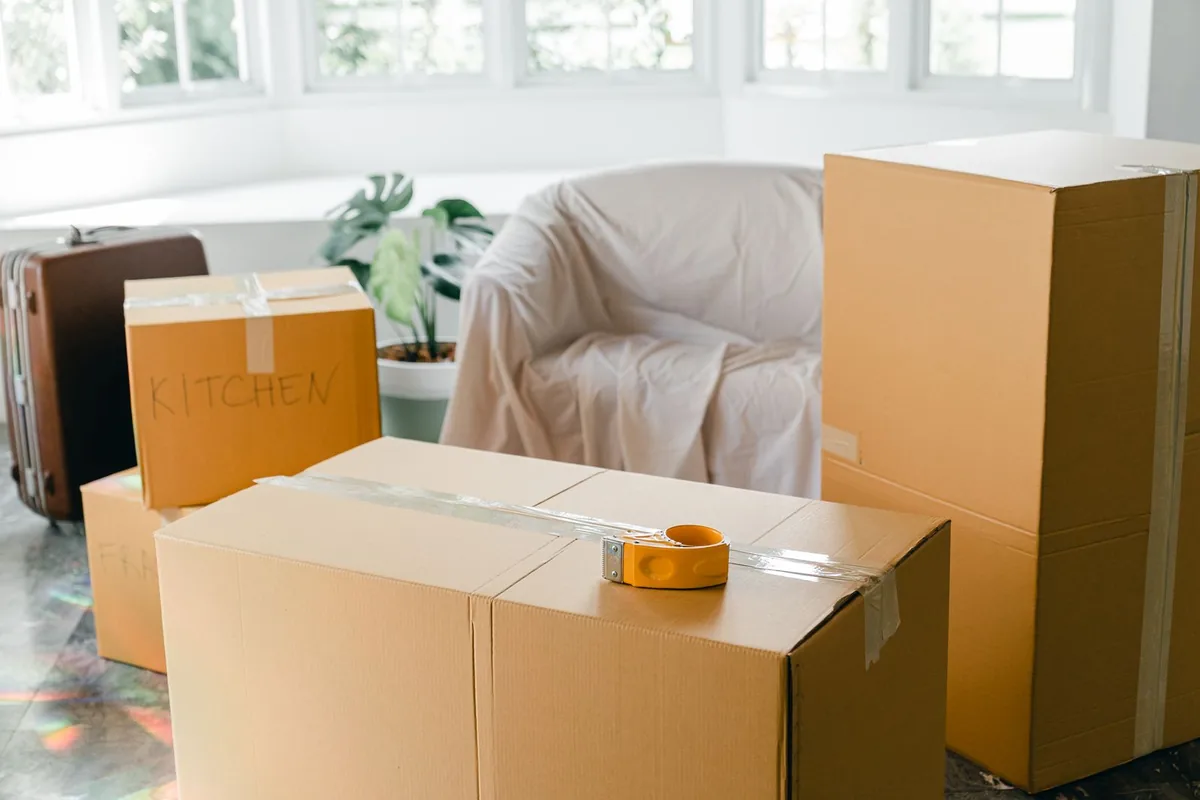
A hoarding cleaning service covers the heavy, tiring and sometimes unsafe parts of a crowded home: lifting, bagging, hauling, disposal of spoiled items, and sanitizing floors, counters and bathrooms.
When your home in Winlock needs more than a regular cleaning, you can get hoarding cleanup services with protective gear, safe hauling and disinfecting. Call Winlock Biohazard Cleanup Help from anywhere in Lewis County.
Most homes in Lewis County are owner-occupied, with about 24% rented. Owners and their families usually decide the pace and what stays. Only about 11% of people in Winlock are sixty-five or older, but hoarding affects households of every age, and cleanup works the same way.
A typical hoarding cleanup job includes:
Someone describes the home, the rooms affected and any deadline. No one needs every answer before calling.
A walk-through notes exits, utilities, water damage and signs of pests. Any question for a builder or plumber is flagged.
Items go into keep, donate and remove groups. Spoiled food and unsafe items leave first.
Floors, counters, sinks and bathrooms are cleaned and disinfected. Odor is treated at the source where possible.
Most hoarding cleanup jobs in Winlock, WA cost between $500 and $25,000, based on published cost guides.
A short deadline from a landlord, a lender or a city office can change how many people the team sends, and so the price. Mention any date early.
| Type of job | Typical range |
|---|---|
| Level 3 | $2,000 - $5,000 |
| Most homes, per square foot | $1 - $2 per square foot |
| Level 2 | $1,000 - $3,000 |
| Level 1, light | $500 - $1,500 |
Estimates only, not a quote. Sources: Dropcurb, Lifecycle Transitions. Price drivers include level of accumulation, home size, whether exits and rooms are blocked, pests or animal waste. Call (877) 812-4220 to talk through the job.
Start with safety, then sort, remove and clean in that order. Exits and fire hazards come first, then spoiled food and unsafe items, then deep cleaning of kitchens and bathrooms. The resident decides what stays, and a cleanup team can handle the heavy parts.
Usable items go to donation or recycling where possible. Spoiled, damaged or unsafe items are disposed of correctly, and waste that may carry germs is handled as regulated medical waste.
Yes. A regular cleaning assumes surfaces are reachable and the items stay. Hoarding cleanup includes sorting, hauling, hazard checks, protective gear and disposal, and then a deeper clean of kitchens, bathrooms and floors.
Hoarding disorder is a recognized mental health condition in its own right. Only a doctor or mental health professional can say what applies to a particular person. A cleanup team does not diagnose, and it treats every resident with respect.
Yes. A cleanup team can sort, clear and clean a home once the resident has moved, entered care or died. The family can set rules for photos, papers and keepsakes, and the work moves at the family's pace.
Hoarding disorder is a recognized mental health condition. Whether it counts as a disability for housing or work depends on the situation and the law. A tenant rights group, a housing agency or an attorney can answer for a specific case.
Ask about sorting, hauling, cleaning and a pace that fits the resident.
Call (877) 812-4220